
Chicken and Gochujang Stir-Fry
Have you ever tasted a restaurant dish so good you spent weeks trying to recreate it? That’s the magic of a perfectly balanced chicken and gochujang stir-fry. The combination of savory, spicy, sweet, and umami is utterly addictive. While many gochujang chicken recipes exist, the secret to a 5-star version lies in technique, not just ingredients. Making it at home allows you to control the spice level, quality of protein, and achieve that glossy, sticky sauce coating every tender piece of chicken. Let’s unlock that secret together.
Ingredients for chicken and gochujang
- For the Chicken Marinade: 1.5 lbs boneless, skinless chicken thighs (or breasts), cut into 1-inch pieces; 2 tbsp soy sauce; 1 tbsp cooking wine (mirin or sherry); 1 tbsp cornstarch.
- For the Gochujang Stir-Fry Sauce: 3 tbsp gochujang (Korean red chili paste); 2 tbsp soy sauce; 1 tbsp honey or brown sugar; 1 tbsp rice vinegar; 2 tsp toasted sesame oil; 3 cloves garlic, minced; 1 tsp minced ginger; ¼ cup water or chicken broth.
- For the Stir-Fry: 2 tbsp neutral oil (like avocado or canola); 1 bell pepper, sliced; 1 medium onion, sliced; Optional garnish: sliced green onions, sesame seeds.
- Tools: Large bowl, whisk, large wok or skillet, measuring spoons.
Cooking Time & Preparation for chicken and gochujang
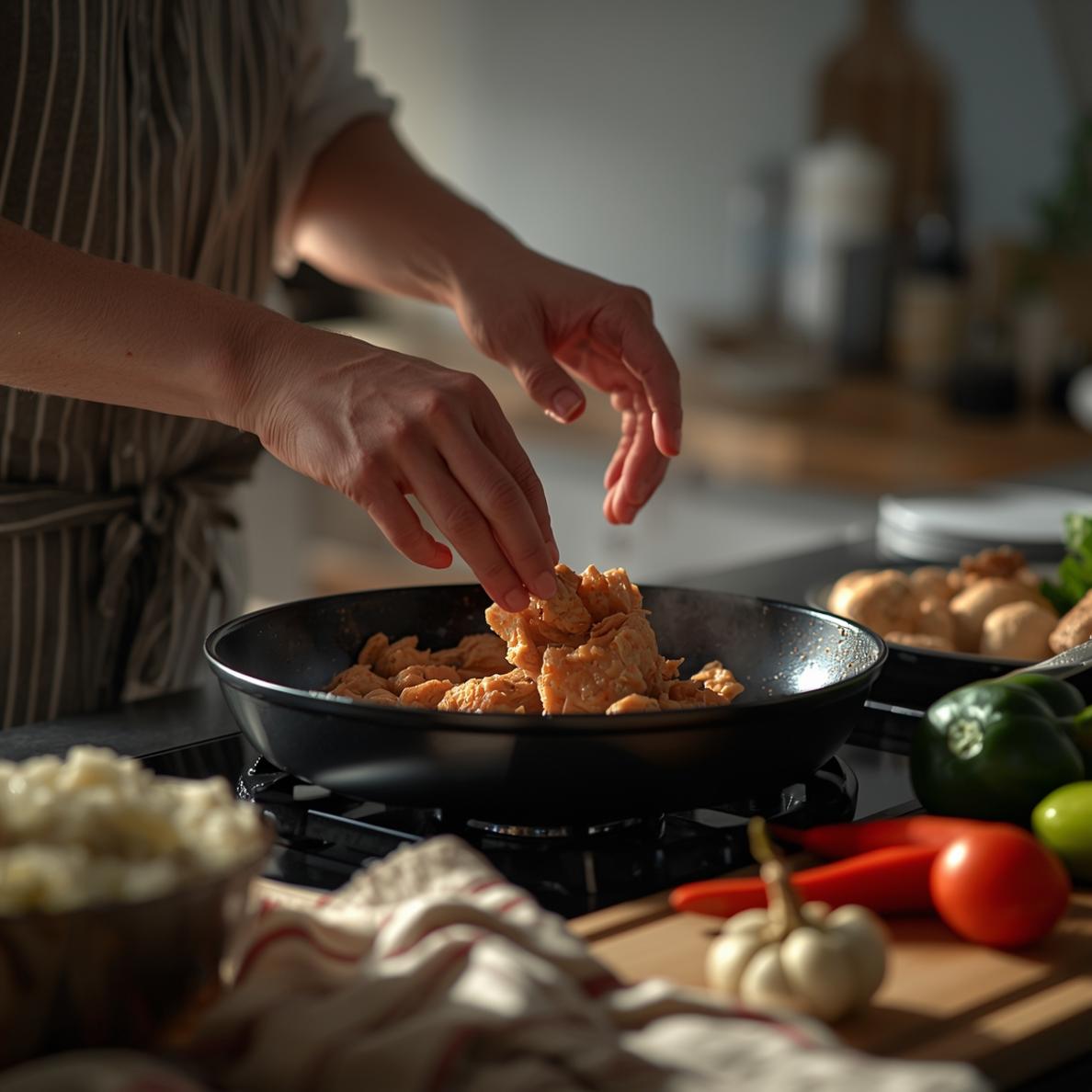
- Prep Time: 15 minutes (plus 30 mins marinating)
- Cook Time: 10 minutes
- Total Time: 55 minutes
- Servings: 4
How to Make chicken and gochujang (Step-by-Step)
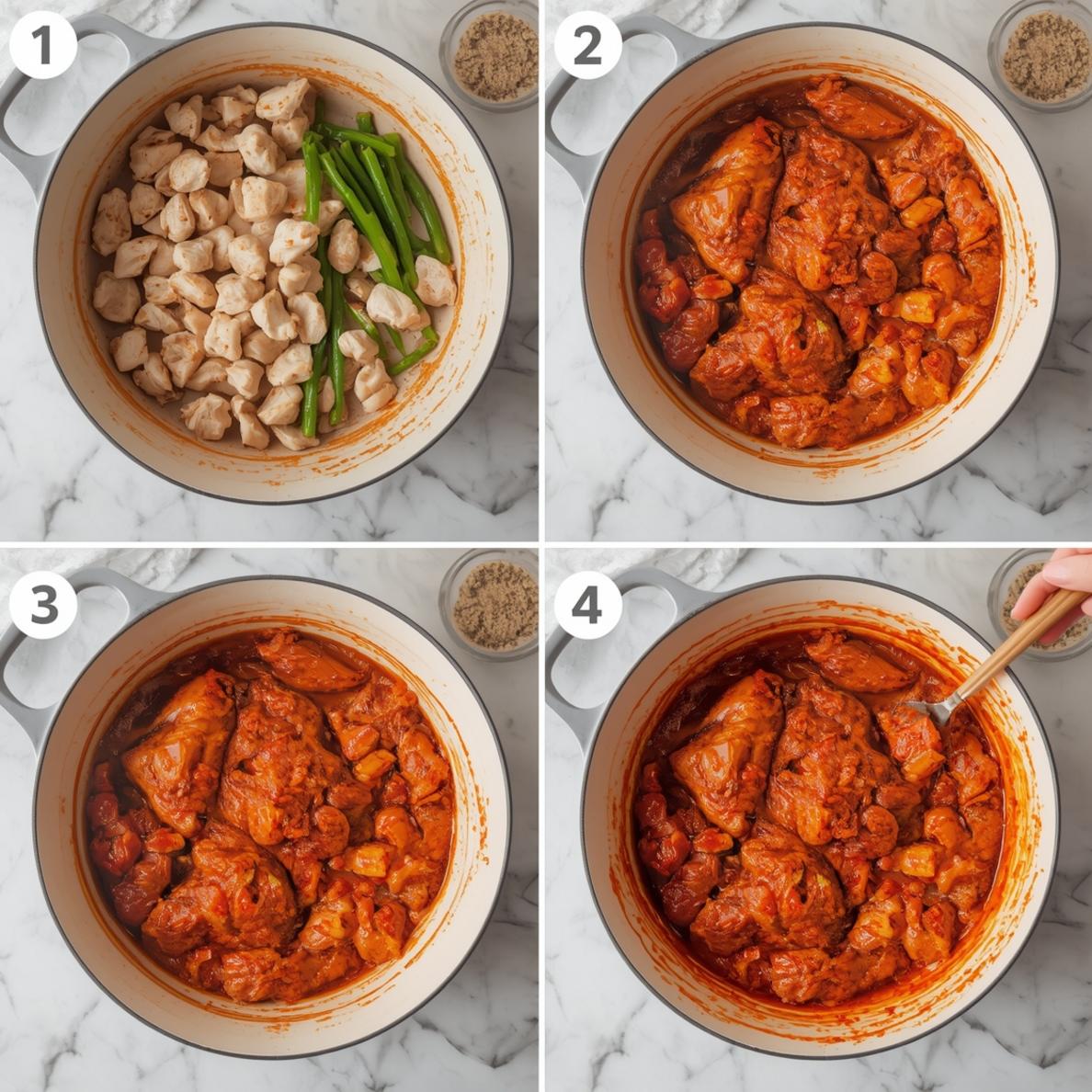
The key to a stellar gochujang chicken dish is the order of operations. Follow these simple steps for a flawless Korean-inspired chicken stir-fry.
1. Marinate the Chicken: Combine chicken pieces with soy sauce, cooking wine, and cornstarch. Mix well and let marinate for at least 15 minutes (30 is ideal).
2. Make the Sauce: In a separate bowl, whisk together all sauce ingredients—gochujang, soy sauce, honey, vinegar, sesame oil, garlic, ginger, and water—until smooth.
3. Stir-Fry the Chicken: Heat 1 tbsp oil in your wok over high heat. Add the marinated chicken in a single layer. Let it sear undisturbed for 1 minute, then stir-fry until cooked through and browned. Remove chicken and set aside.
4. Cook the Veggies: Add remaining oil to the wok. Stir-fry bell pepper and onion for 3-4 minutes until crisp-tender.
5. Combine and Simmer: Return the chicken to the wok. Pour the prepared spicy gochujang sauce over everything. Toss to coat and simmer for 1-2 minutes until the sauce thickens and glazes the ingredients beautifully.
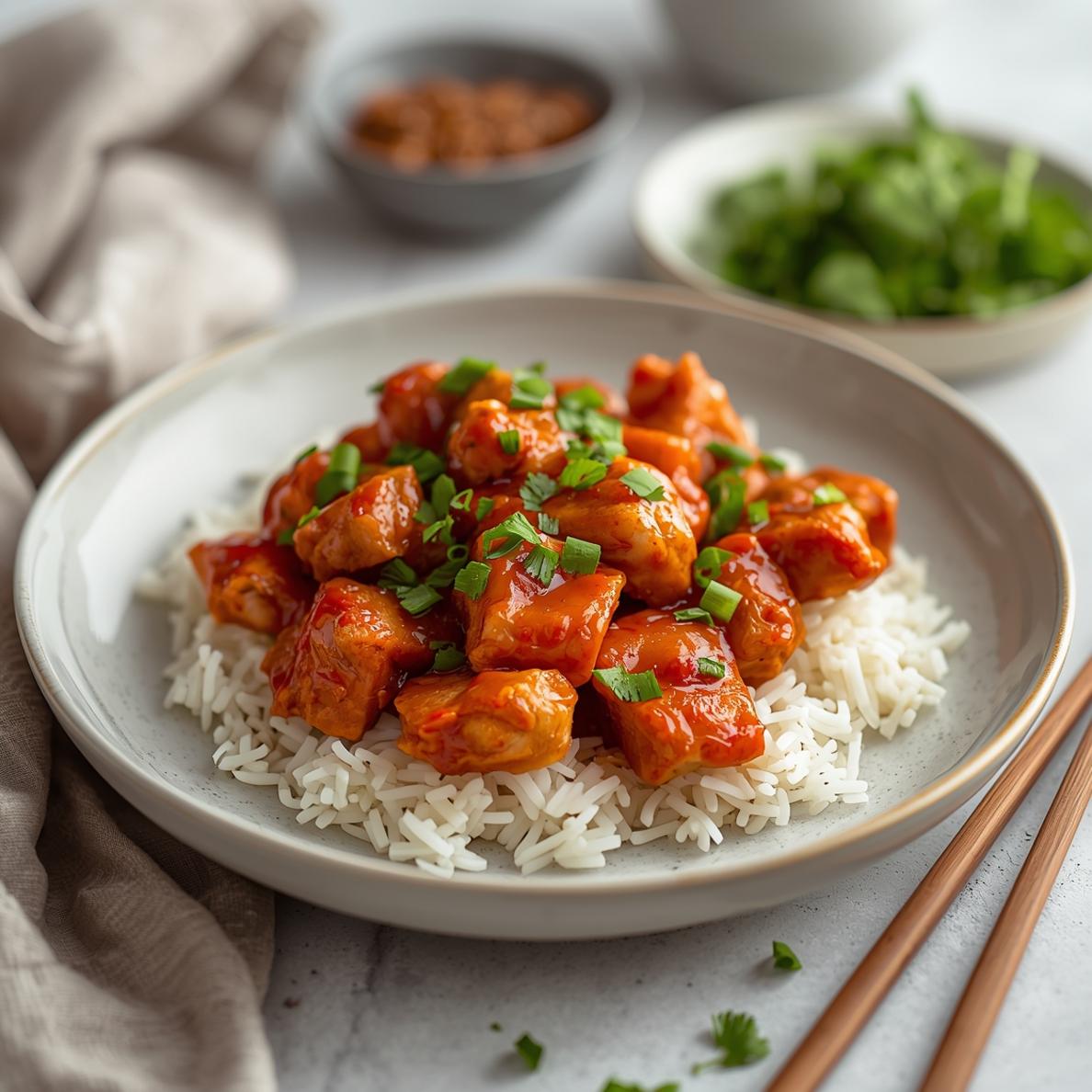
6. Serve Immediately: Garnish with green onions and sesame seeds. Serve hot over steamed rice.
Benefits of chicken and gochujang
This dish is a powerhouse of flavor and nutrition. Chicken is an excellent source of lean protein. Gochujang is fermented, which can support gut health, and contains capsaicin, known to boost metabolism. Using a mix of colorful vegetables adds vitamins and fiber. It’s a balanced, satisfying meal that beats takeout.
Expert Tips and Variations for chicken and gochujang
- Protein Swap: Try this with shrimp, beef, or tofu for a different twist on the classic gochujang chicken theme.
- Veggie Boost: Add broccoli florets, snap peas, or carrots. Add harder veggies right after the chicken to cook longer.
- Control the Heat: Gochujang heat levels vary. Start with 2 tbsp and add more to taste. For less spice, dilute with a bit more honey and soy sauce.
- Pro Texture: The cornstarch in the marinade creates a light crust that helps the sauce cling perfectly to the chicken.
Common Mistakes When Making chicken and gochujang
- Overcrowding the Pan: Adding all the chicken at once steams it instead of searing it. Cook in batches if needed.
- Burning the Garlic/Ginger: If your wok is too hot when you add the sauce, the minced garlic can burn and turn bitter. Adding the sauce with the cooler veggies/chicken prevents this.
- Skipping the Marinate: The brief marinade tenderizes the chicken and forms the foundation for flavor. Don’t skip it!
- Using Only Gochujang: Gochujang alone is too thick and intense. The balanced sauce with sweet, salty, and acidic elements is what creates complexity.
Storage and Reheating chicken and gochujang
Store cooled leftovers in an airtight container in the refrigerator for up to 3 days. To reheat, gently warm in a skillet over medium-low heat with a splash of water to loosen the sauce. Microwave reheating can overcook the chicken and make the sauce separate.
Final Thoughts on chicken and gochujang
This recipe demystifies the process of creating a world-class chicken and gochujang stir-fry at home. With the right technique, you can achieve that coveted balance of sticky, spicy, sweet, and savory. It’s a versatile dish that’s sure to become a weeknight hero. I hope this becomes your new go-to among favorite gochujang chicken recipes. Did you try it? Share your results or variations in the comments below!
FAQs About chicken and gochujang
Q: Can I use chicken breasts instead of thighs?
A: Absolutely. Chicken breasts will cook faster, so reduce the stir-fry time by about 1-2 minutes to prevent dryness.
Q: Where can I buy gochujang?
A: Gochujang is found in the Asian aisle of most major supermarkets, in Korean grocery stores, or online.
Q: Is this dish very spicy?
A: The spice level is moderate and can be easily adjusted. Using 3 tbsp provides a noticeable kick. Reduce to 2 tbsp for milder flavor, or increase for more heat.
Q: What can I substitute for gochujang?
A: A true substitute is difficult due to its unique fermented flavor. In a pinch, mix Sriracha or another chili paste with a bit of miso paste and a sweetener, but the result will be different.
Q: Can I make it ahead of time?
A: You can marinate the chicken and mix the sauce up to 24 hours in advance. Keep them separate in the fridge until you’re ready to cook.
Tried this recipe? Rate it from 1-5
There are no reviews yet. Be the first one to write one.