
The rich aroma of curry leaves hitting hot oil, the deep crimson of chili and turmeric, and the promise of tender, flavorful fish—these are the hallmarks of a truly memorable dish. While enjoying a superb restaurant-style Fish Head Curry is a treat, mastering this beloved comfort food at home is incredibly rewarding. It’s a culinary journey that connects you to tradition and allows you to tailor the heat and spice to your perfect level. Our detailed and authentic fish head curry recipe demystifies the process, proving you can create a deeply aromatic and spicy masterpiece right in your own kitchen.
Ingredients for Fish Head Curry
This recipe uses accessible ingredients that build layers of flavor. You’ll need a large wok or deep sauté pan for best results.
Main Ingredients:
- 1 large fish head (1.2-1.5 lbs), such as red snapper, salmon, or grouper, cleaned and cut into large pieces
- 3 tbsp coconut oil or vegetable oil
- 1 large onion, finely sliced
- 2 medium tomatoes, quartered
- 1 large eggplant (brinjal), cut into chunks (optional)
- 2 sprigs fresh curry leaves
- 1 cup tamarind water (soak a 2-inch tamarind pulp block in 1.5 cups warm water, then strain)
- 1 cup thick coconut milk
- Salt to taste
Spice Paste (Ground Together):
- 8-10 dried red chilies (adjust to taste)
- 5 shallots
- 4 cloves garlic
- 2-inch piece fresh ginger
- 1-inch piece fresh turmeric (or 1 tsp ground turmeric)
- 1 tbsp coriander seeds
- 2 tsp fennel seeds
- 1 tsp whole black pepper
Optional Substitutions: Use store-bought fish curry powder (2-3 tbsp) as a shortcut for the spice paste. For a lighter curry, substitute lite coconut milk.
Cooking Time & Preparation for Fish Head Curry
How to Make Fish Head Curry (Step-by-Step)
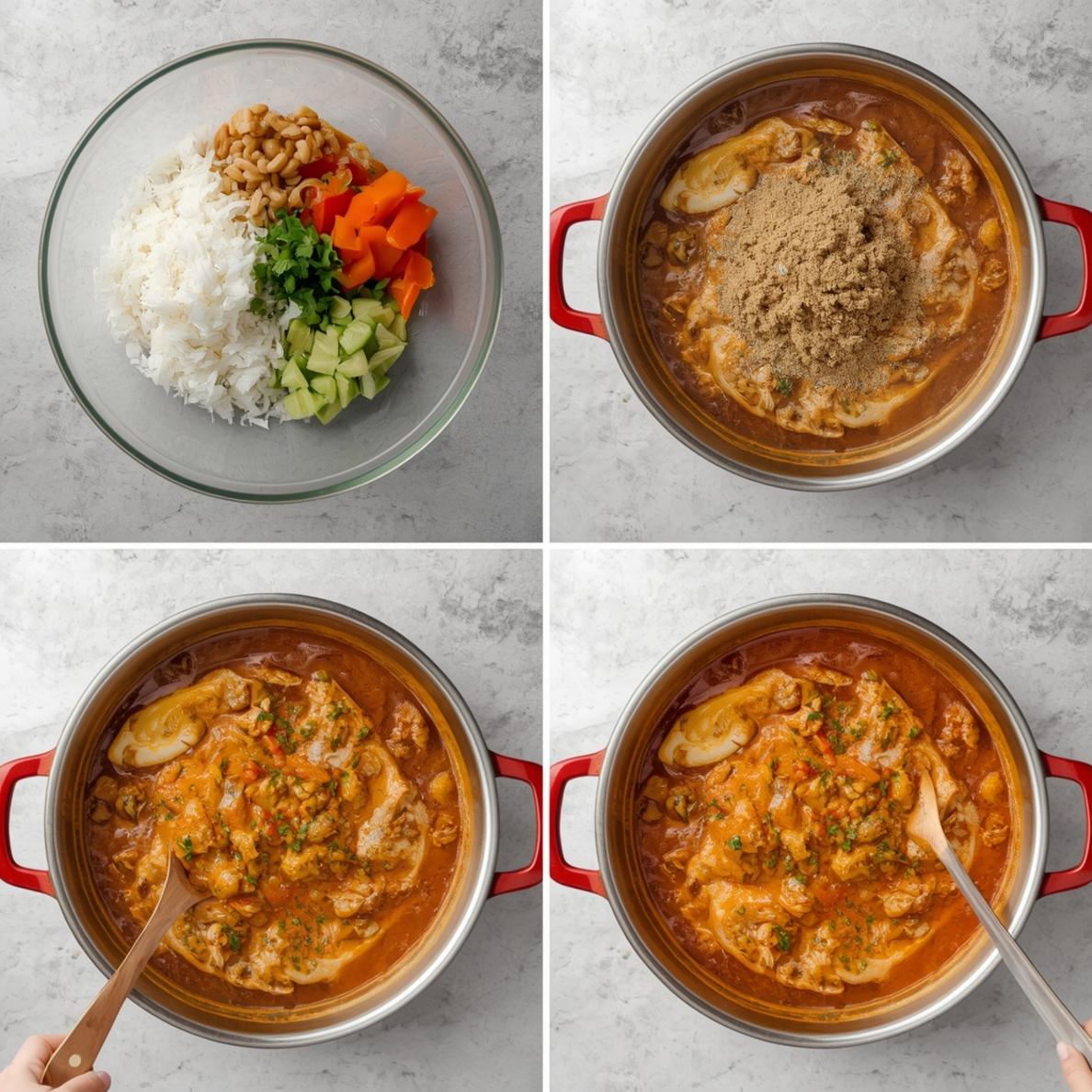
1. Prepare and Marinate: Clean the fish head thoroughly and pat it completely dry. Rub it lightly with salt and a pinch of turmeric powder. Set aside for 15 minutes while you prepare the other ingredients and fresh-ground spice paste.
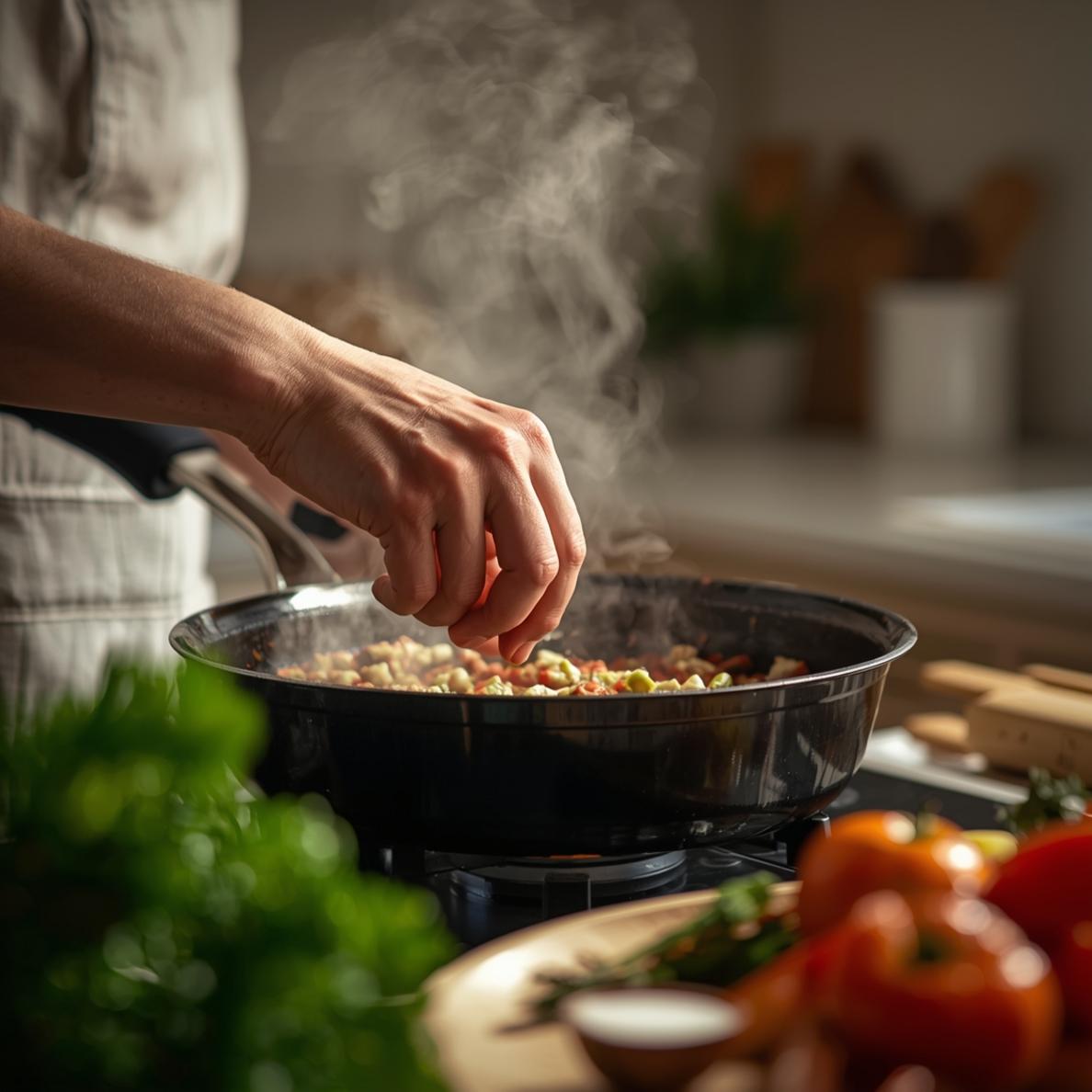
2. Fry the Fish Head: Heat 2 tablespoons of oil in your wok over medium-high heat. Gently pan-fry the fish head pieces for 2-3 minutes per side, just until the skin is lightly golden. Remove and set aside on a plate.
3. Sauté the Aromatics: In the same wok, add the remaining oil. Add the curry leaves and sliced onion. Sauté until the onions turn soft and translucent.
4. Build the Curry Base: Add the ground spice paste to the wok. Cook, stirring constantly, for 4-5 minutes until the paste is fragrant and the oil begins to separate from the mixture.
5. Simmer the Gravy: Pour in the tamarind water and add the tomatoes (and eggplant, if using). Bring to a gentle simmer and cook for 5-7 minutes until the vegetables begin to soften.
6. Add Fish and Finish: Carefully place the pre-fried fish head pieces back into the wok. Gently spoon the gravy over them. Simmer for 5 minutes. Then, reduce the heat to low and slowly stir in the thick coconut milk. Warm through for another 3-4 minutes—do not boil vigorously after adding coconut milk.
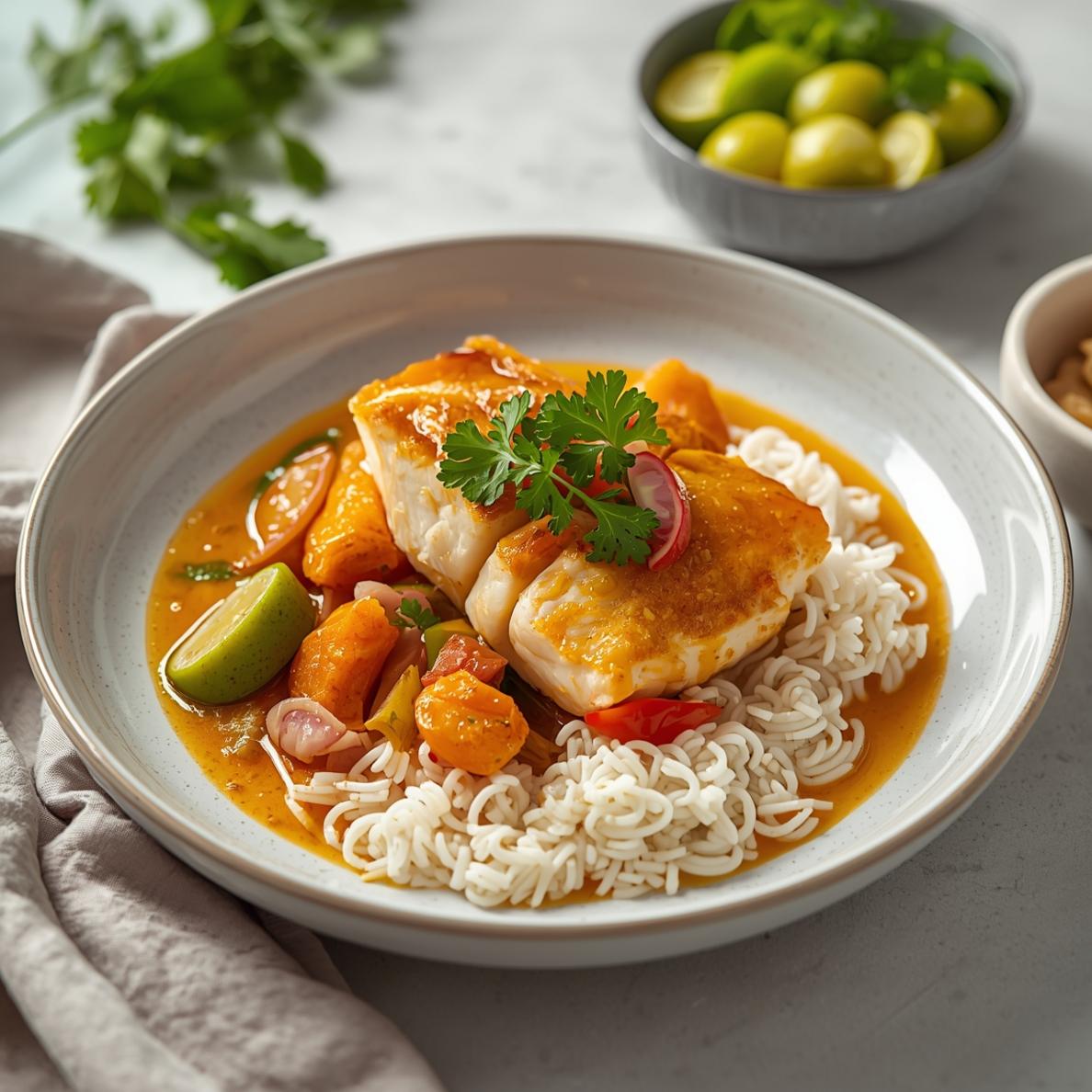
7. Final Seasoning: Taste and adjust seasoning with salt. The rich, spicy fish curry stew is ready when the gravy is aromatic and the fish is cooked through.
Benefits of Fish Head Curry
Beyond its incredible flavor, this dish is a nutritional powerhouse. Fish heads are rich in Omega-3 fatty acids, collagen, and calcium from the bones and cartilage, supporting joint, brain, and heart health. The spices, especially turmeric and ginger, are celebrated for their anti-inflammatory properties. This curry is a delicious way to enjoy a nose-to-tail approach to seafood.
Expert Tips and Variations for Fish Head Curry
- Freshness is Key: A fresh, clear-eyed fish head from a trusted fishmonger is the most important ingredient.
- Control the Heat: For less fiery food, remove the seeds from the dried chilies before grinding. For more heat, add a teaspoon of chili powder to the paste.
- Vegetable Add-Ins: Okra, bell peppers, or long beans are fantastic additions added with the tomatoes.
- Protein Swap: You can use this same gravy with firm fish fillets or even prawns; adjust cooking time accordingly.
Common Mistakes When Making Fish Head Curry
Problem: Curry tastes bland or raw.
Solution: Insufficiently cooking the ground spice paste is the main culprit. Ensure you fry it long enough until it darkens slightly and releases its oils.
Problem: Fish falls apart in the curry.
Solution: Avoid stirring the curry after adding the fish head. Instead, gently shake the wok and spoon the gravy over the top. Pre-frying also helps the fish hold its shape.
Problem: Gravy splits or curdles.
Solution: This happens when coconut milk is added to boiling-hot liquid or boiled vigorously. Always add it last on low heat and just warm it through.
Storage and Reheating Fish Head Curry
Store leftover fish head gravy in an airtight container in the refrigerator for up to 2 days. The flavors often deepen overnight. Reheat gently in a saucepan over low heat, adding a splash of water if the gravy has thickened too much. Avoid microwaving vigorously, as it can overcook the fish. Freezing is not recommended, as the texture of the fish and coconut milk can change.
Final Thoughts on Fish Head Curry
Mastering this iconic dish is a rite of passage for any home cook passionate about bold, authentic flavors. It’s a celebration of texture, spice, and tradition in a single pot. We encourage you to try this definitive fish head curry recipe and share your results. Once you’ve tasted the complex, fiery, and comforting depths of a homemade Fish Head Curry, you’ll understand why it’s a cherished favorite across many tables.
FAQs About Fish Head Curry
Can I use fish curry powder instead of fresh spices?
Absolutely. Use 2-3 tablespoons of good-quality fish curry powder. Add it to the sautéed onions (step 3) and cook for a minute before adding the tamarind water.
What fish head is best for curry?
Red snapper, sea bass, salmon, or grouper heads are excellent choices. They have firm flesh that holds up well and a good amount of collagen for a rich gravy.
How do I make it less sour?
Reduce the amount of tamarind water by a quarter cup, or add a teaspoon of sugar or palm sugar (jaggery) at the end to balance the acidity.
Is this dish very spicy?
The heat is fully customizable. This recipe yields a medium-high spice level. Adjust the number of dried chilies to your preference.
What should I serve with fish head curry?
It is traditionally served with steamed white rice, but it also pairs beautifully with crusty bread, appam (hoppers), or flatbreads like roti to soak up all the delicious gravy.
More recipes to try: Prosperity Koi Fish Nian Gao, stir-fried rice cakes (nian gao) and What Is Hot Pot.